
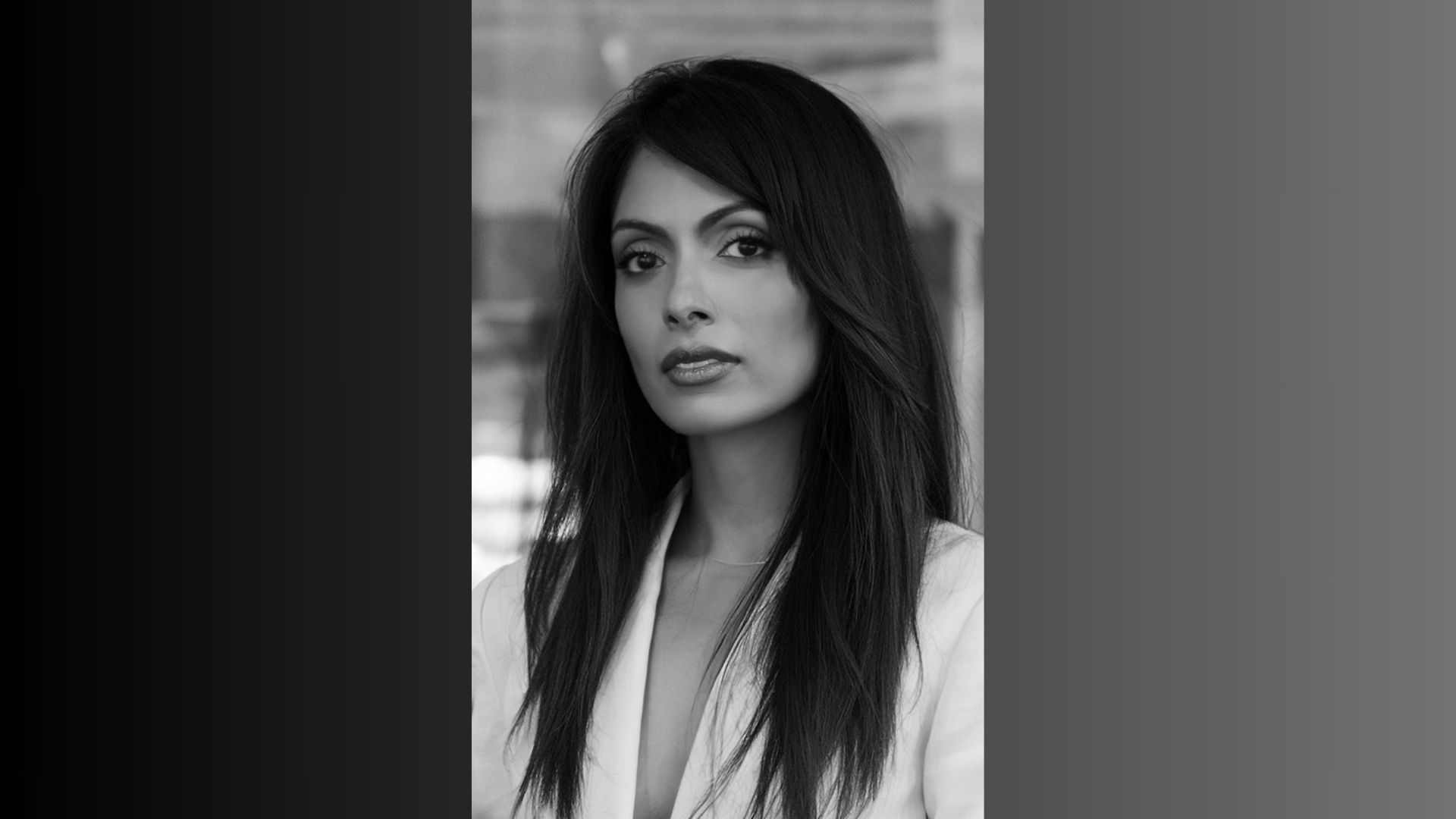
OPINION. I’m just going to say it: I do not like International Women’s Day. There. It’s out. Now, let me explain.
It’s not that I don’t believe in celebrating women’s achievements—of course I do! It’s just that instead of filling me with energy and hope, IWD has a habit of reminding me just how exclusionary the gender equity movement can be. We’ve made progress, sure, but my god, we still have so far to go to ensure that all women are marching forward together, not just some of us.
Back in 2021, Ashleigh Streeter-Jones wrote a courageous piece calling for an end to all-white panels and challenging IWD events that lacked intersectionality. Fast forward three years, and what do we have? Still-too-common speaker lineups that are diverse in gender, but little else.
This year, I watched in dismay as IWD events in tech, finance, and—wait for it—even discussions about violence against women featured an all-white cast of speakers. Aboriginal and Torres Strait Islander women experience violence at more than three times the rate of non-Indigenous women. Yet somehow, I’ve seen panels discussing gender-based violence that failed to include a single First Nations woman.
And it’s not just this issue. I’ve seen conferences on asylum seekers and refugees dominated by white academics with neither lived experience nor frontline expertise. How do you have a discussion about the realities of displaced women without including the voices of those who’ve actually lived it?
The Call-Out That Got Called Out
This year, I decided I wasn’t going to let it slide. I called out a prominent IWD tech event for its lack of diversity. First, I took the polite, behind-the-scenes approach. They responded, along the lines of “Oh wow, we’re mortified! We totally value diversity.”
Then, they proudly noted that some of their panellists were neurodiverse. Great! But still, the lineup remained culturally homogenous. So, I took it to social media—respectfully—to highlight the issue. Their response?
They deleted my comment.
Because nothing screams “empowering women” like silencing a woman of colour.
Why Representation Matters (And No, It’s Not Just for Optics)
Let’s get one thing straight: representation isn’t about ticking a box or assembling a “diversity aesthetic” for event photos. It’s about expertise and perspective. It’s about acknowledging that different lived experiences shape knowledge, perspectives, and solutions.
I know this firsthand. I speak at a lot of events—over 30 in the past 18 months. Almost every single time, I’m:
- The only woman of colour on the panel.
- The only one talking about intersectionality, for example, how racism and sexism combine to compound the experience of sexual harassment for migrants, refugees, and First Nations women.
If I wasn’t in the room, these issues wouldn’t even make it onto the agenda.
I continue to speak at IWD events because it’s a valuable opportunity to highlight the causes I’m passionate about and drive meaningful conversations.
Where Do We Go from Here?
If we want to do better, here’s what needs to happen:
Event organisers: Ensure speaker lineups reflect the community. Don’t go to the usual suspects, do your research, and ask around.
Speakers: Before you say yes to a panel, ask about the lineup. If it’s all-white, all-cis, or otherwise lacking in diversity, recommend a different speaker or consider declining.
Seasoned speakers: Pass the mic. If you’ve had your turn, uplift another expert with a different lived experience. I do it all the time.
If we’re not marching forward together, then none of us are really marching.
Prabha Nandagopal is a Human Rights Lawyer and Founder of Elevate Consulting Partners and SafeSpace@elevate.
Top image source: Supplied


Leave a Reply