
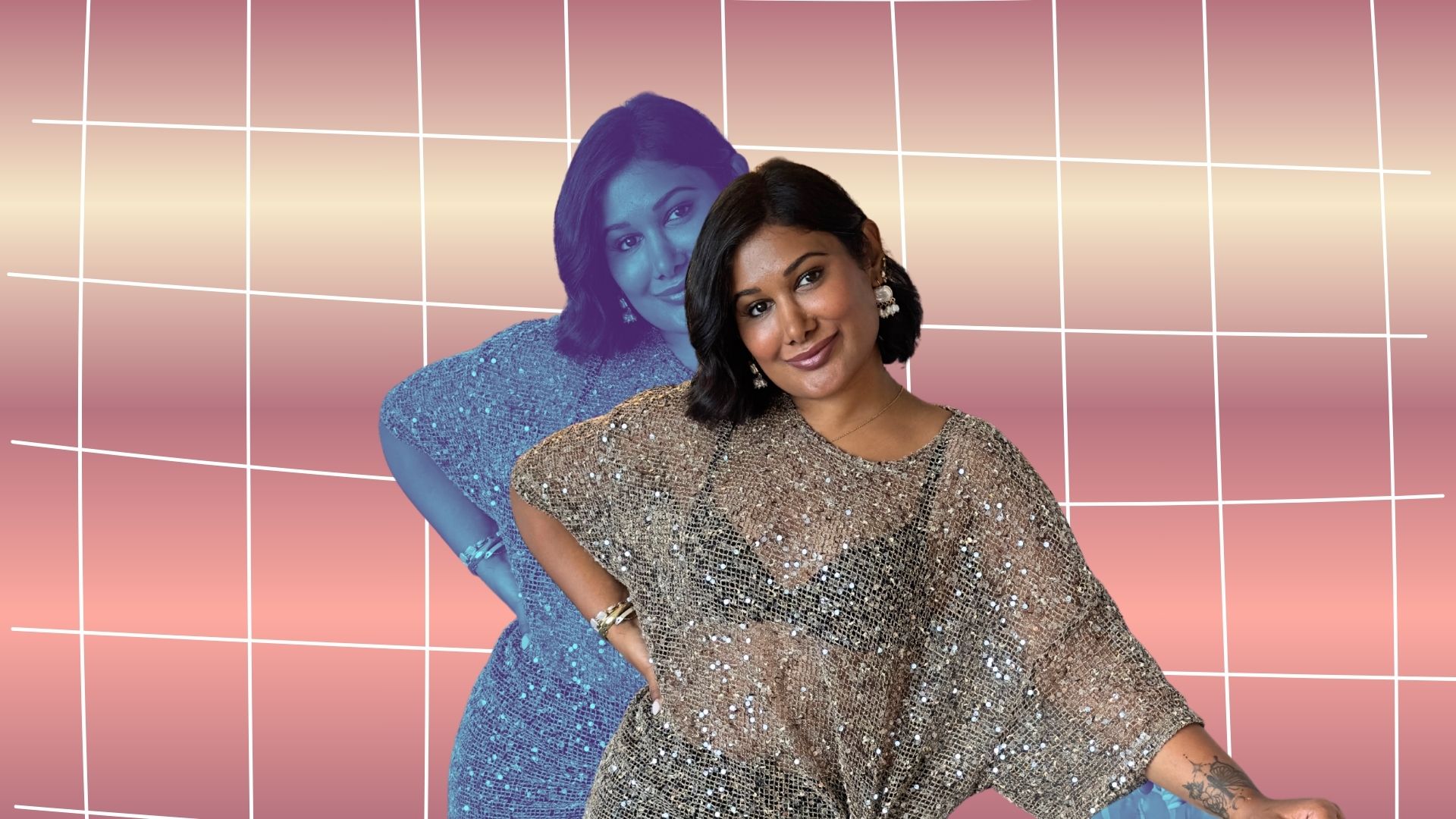
Over the years, Mother’s Day has held a lot of mixed feelings for me.
I have a great relationship with my mother, so that part of the day has always been about celebrating her and making sure she knows how much I appreciate everything she has done for me. But for me, Mother’s Day has also carried something else. Something quieter, a little less wholesome.
I got married more than a decade ago and from that moment, the day began to hold a kind of grief I didn’t expect. My path to anything resembling motherhood did not follow the story I once thought my life would tell.
After marriage, I watched as my friends fell pregnant one by one. Not many people knew that just a year in, I had already started looking into my fertility. I thought I would fall pregnant within a year and that life would unfold in a predictable sequence. It did not.

I experienced fertility struggles that reshaped my understanding of timing, control and expectation. There is a particular kind of grief that comes with realising something you assumed would be natural may not arrive the way you pictured. I was facing PCOS, endometriosis and a blocked fallopian tube. Instead of diving straight into treatment, I chose to protect my heart by convincing myself that I wasn’t ready to have a child. Three years later, my marriage ended.
With time, I’ve come to see that period differently. Having a child within that marriage would have tied me to a life that was not meant for me.
Post divorce, five years passed where I questioned whether motherhood would ever be part of my life. I was in a long term relationship with someone who didn’t want children, and I convinced myself he might change his mind. He didn’t. More of my friends had children. Some were on their third. I found myself quietly asking if my time would ever come.
As I approached 35, I became more aware of time. I told a friend that the next person I dated would have to be serious. I wanted to fall pregnant within six months. I was that certain.
And then I met Sidd.
He already had two children. A life and a rhythm of parenting that existed before me. I didn’t enter as someone needed to complete anything. I entered as someone who could be part of it, if I chose to be. That distinction changed everything.
There is a difference between being needed to parent and being welcomed into a life where parenting already exists. Sidd is a present father. He shows up, he carries responsibility and he does not need me to become a mother for him to be a father. Because of that, I was given space – to choose, to understand what I was stepping into and to become without pressure to define it too quickly.
Step motherhood was not something I planned for. His eldest, who was five at the time, connected with me instantly. His youngest was two, so our connection grew through small moments and shared routines. By the time we moved in together eight months later, something real had already been built.
There is a kind of love that isn’t biological but is still real. It is chosen. I often get asked how I could fully love children who aren’t my own. In the early days I asked myself this too. I realised that if a child could open their heart so freely, then I could too. It became less about my past and more about whether I could love them fully without needing them to be mine. The answer was yes.
And still, there is a quiet knowing that sits underneath it all.
At work, I’ll mention the girls in passing and I’m often met with surprise – usually from the generation above me. I remember one aunty saying, “Oh no, you don’t want to raise someone else’s children.” Another told me with concern, “Make sure you don’t become relied on to be their mother, what about when you become a mother yourself?”
In many South Asian families, motherhood is still deeply tied to blood. There are clear roles for mothers, aunties and grandmothers, but very little space for anything in between. That absence of language, mixed with the taboo of divorce and the lack of step parent representation in South Asian cultures, creates a quiet distance. Mother’s Day can bring that feeling forward.
In saying that, all of this would have been much harder if…
This is an excerpt from an article originally published on ‘Nadhisha: the chapters of my life’ on Substack. Click here to read the rest of the article.
Nadhisha Perera is an Australian, Sri Lankan storyteller, content creator, stepmother and divorcée sharing honest reflections on self-love, healing, relationships, and the inner thoughts we don’t always say out loud. You can follow her on Instagram here.
Follow Draw Your Box on Instagram here and TikTok here. For brand partnership enquiries, email alicia@drawyourbox.com. You can also subscribe to our newsletter and podcast below.


Leave a Reply